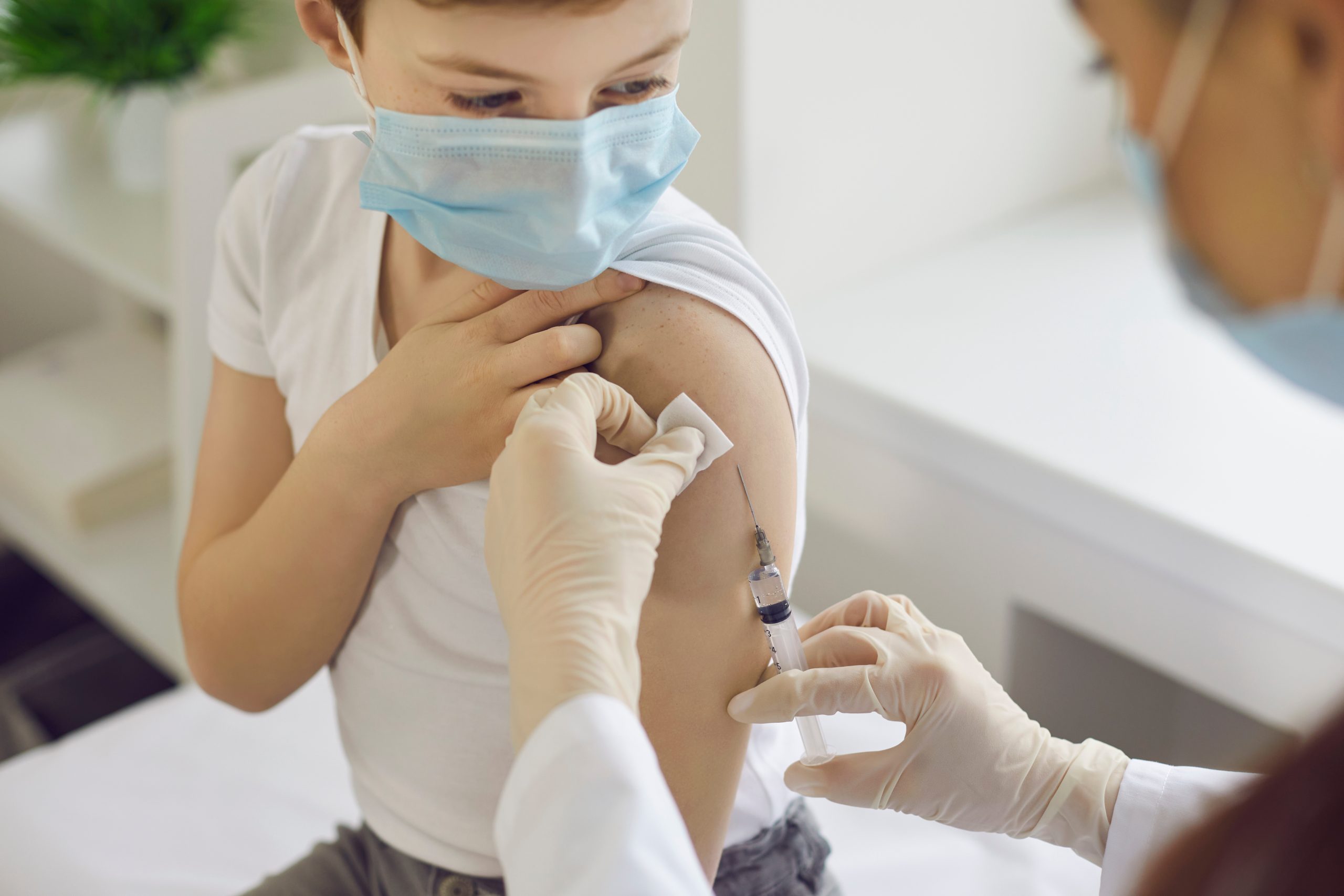
Yesterday, the U.S. Centers for Disease Control and Prevention (CDC) revised the childhood vaccination schedule by removing six “universally recommended” vaccines to being recommended only for high-risk people or following a doctor consultation. This decision was not based on new scientific evidence or peer review, nor was it open for public comment. Included on the list are the vaccines for influenza and RSV. Both of these viruses cause more acute illness in babies and young children, especially those with asthma.
This change has broad implications. For families looking to vaccinate their children, vaccines without a universal recommendation may become more difficult to access and may cost more. For schools and communities, lower overall vaccination rates can lead to more disease spread and lost school days.
When children with asthma become ill, their symptoms are more severe, and they take longer to recover. These children miss more days of school and fall behind in their education.
“Decades of scientific evidence make clear that vaccines are one of the most effective public health tools we have to protect children from disease,” said Robert Anderson, President and CEO of Respiratory Health Association. “This decision does the opposite. It puts the vulnerable at greater risk. For these reasons, we wholeheartedly endorse the vaccine recommendations of the Illinois Department of Public Health and the American Academy of Pediatrics, which continue to put the public health science and the health of populations first.”