Indoor Air Pollution
Radon
Radon is the second leading cause of lung cancer in the United States and the number one cause of lung cancer deaths in non-smokers. Individuals who smoke and are also exposed to high radon levels are particularly vulnerable. The United States Environmental Protection Agency has estimated that radon is responsible for more than 21,000 deaths per year in the United States.
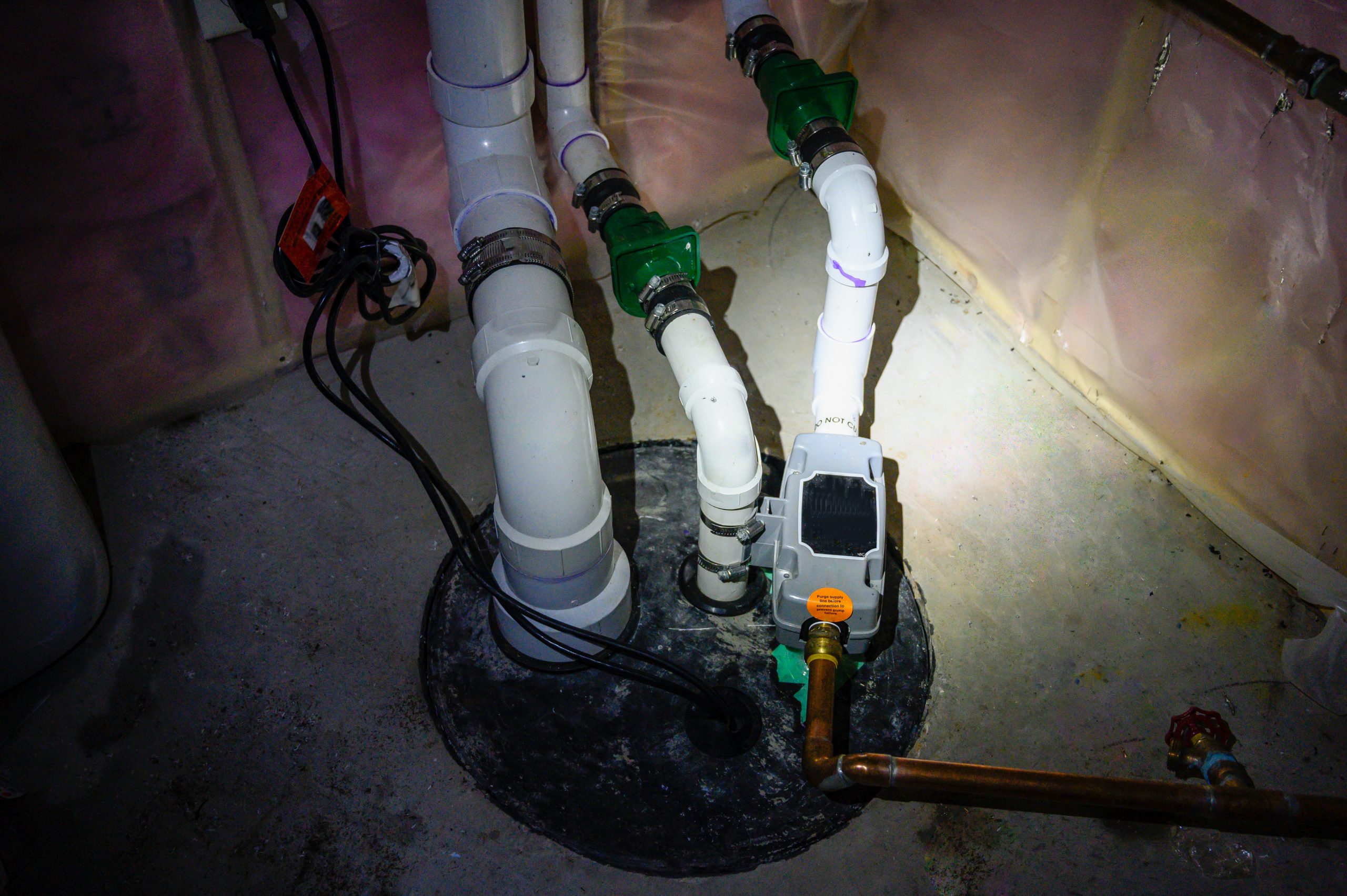
Radon is an odorless, colorless and tasteless gas that is released by the natural decay of uranium, a naturally-occurring rock in soil. When radon is released, it can seep through cracks in the foundation of homes. When these tiny particles are inhaled, they can damage the cells in the lungs. Long-term exposure to this deadly gas can lead to lung cancer. The only way to know if your home is safe is to test the radon levels. Many years can pass between exposure and cancer diagnosis. Not everyone who is exposed to radon will get lung cancer.
Watch the recording of our Understanding Radon webinar:
Illinois law requires daycare centers and certain places of employment to regularly test for radon, but there are no such requirements for residences. We recommend testing your home every two years. Testing kits are inexpensive and are available at most hardware stores or online. Check out our radon resources to learn more about radon and how you can protect your home and family.
There are a variety of short-term testing devices that take between two and 90 days to complete. These are good if you need quick results. Long-term devices remain in the home for more than 90 days. They may provide a more accurate radon average as levels vary from season to season.
What Can I Do to Protect Myself From Radon?
According to the U.S. EPA, nearly one in fifteen homes has elevated radon levels. The only way to know if your home is safe is radon testing.
Test kits can be purchased at most hardware, home improvement stores, or online. They are simple to use and typically cost between $15 and $25. If test results are above 4.0 pCi/L — a measure of radioactivity in a liter of air — you should take additional steps to reduce radon levels. The Illinois Emergency Management Agency has a list of professionals trained to mitigate radon in residential areas who can help you address these issues.
Respiratory Health Association is active in advocating for awareness of radon risks, the importance of home testing, and greater disclosure of known radon risks in Illinois.
Note: This map is not intended to determine if a home in a given zone should be tested for radon. Homes with elevated radon have been found in all three zones. All homes should be tested regardless of geographic location. It is recommended that homes be tested every two years.

KEY: Blue – Zone 1 – High potential Yellow – Zone 2 – Moderate Green – Zone 3 – Low potential

Gas Stoves
If you’re one of the over 79% of Illinoisans who cook with gas, you should know that it’s the biggest source of air pollution inside your home. The dangerous fumes it emits will build up inside the home over the course of the day.
Burning gas creates deadly fine particulate matter and creates nitrogen dioxide gas, a powerful lung irritant and asthma trigger. One study published in 2022 found gas stoves might explain over 20% of asthma cases in Illinois. For this reason, RHA supports legislation that would require warning labels on gas stoves.
So, what can you do to protect yourself?
- Use the vent fan. If the hood vent fan over your stove sucks the fumes and exhausts them outside your home whenever the stove is on, use it while you are cooking. It won’t get rid of all the pollution, but it will definitely reduce the pollution you breathe.
- Open a window. Many vent hoods just capture grease and circulate air back into the kitchen. Those won’t do anything at all to reduce the dangerous gases and microscopic particles coming out of your stove. In that case, open a window to let some fresh air in and allow the indoor pollution to escape.
In the longer term, you might want to explore options for replacing your gas stove. Soon states will be offering large rebates to help people replace gas appliances with safer, cleaner, and more efficient electric alternatives. Those programs will include rebates of up to $840 for a cool-to-the-touch electric induction stove or cooktop. Additional rebates are available for needed electrical work if you don’t have an outlet for an electric stove. Utilities like ComEd currently offer a $100 rebate for an electric induction stove.