Our Policy Initiatives
You can help us create a future with healthy lungs and clean air for all.
We focus on policies that address clean air and lung health concerns — including those around air quality, lung diseases like asthma, chronic obstructive pulmonary disease (COPD), lung cancer, and tobacco control. With your support, we advocate for change that will reduce youth smoking, help children with asthma manage their disease and clean up our air for everyone. These changes improve the lives of those living with lung health issues— and move us toward a future free of lung disease, where everyone breathes easier.
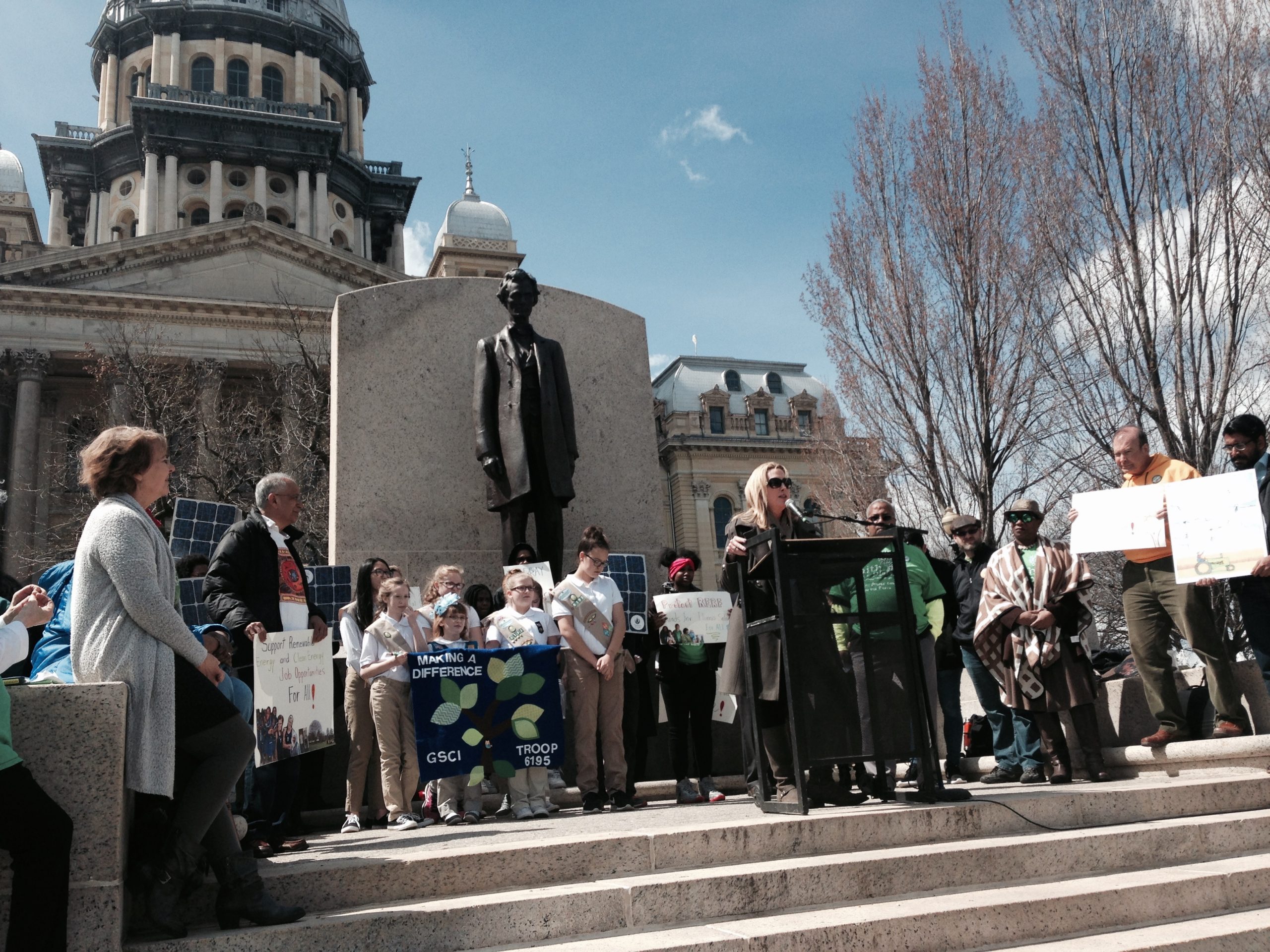
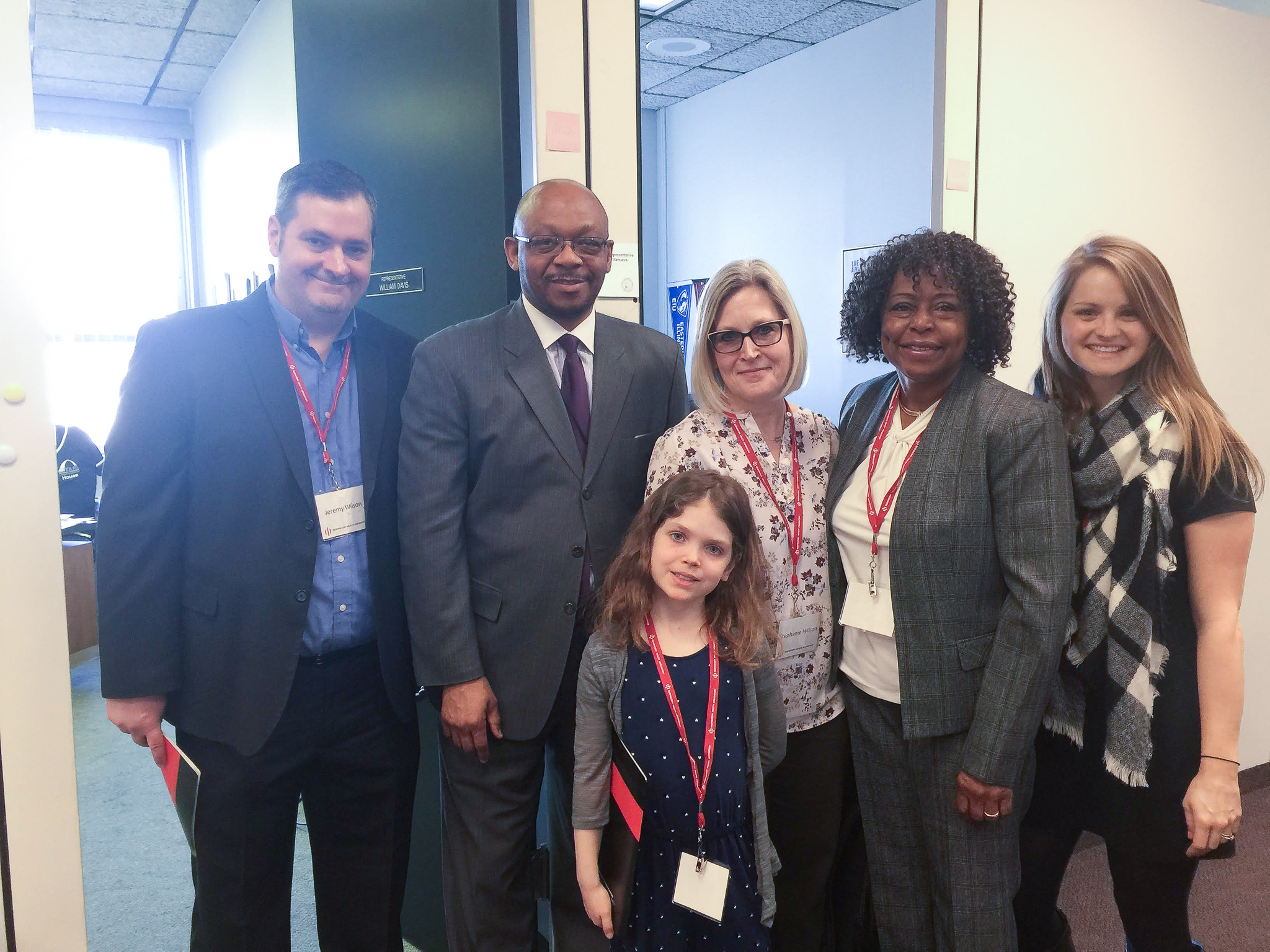
Through visits, calls and emails to legislators, elected officials learn what it is like to live with COPD, to manage a child’s asthma or to care for people living with lung cancer. Giving a voice to people living with lung disease is critical to introducing and passing lung-friendly policies.
Air Quality and Climate Change
- Statewide adoption of an Advanced Clean Truck Rule, reducing exposure to diesel pollution.
- Ensure Chicago Transit Authority is set on a long-term path to achieve an all-electric bus fleet by 2030.
- Work to ensure Chicago uses electricity from 100% clean renewable sources in all buildings by 2035.
- Ensure that Illinois adopts standards requiring 100% of new cars and 50% of new trucks and buses sold to be zero-emission by 2035.
- Ensure that all electricity used in Illinois is generated from 100% clean, renewable sources by 2050, and that all fossil-fuel-burning power plants are retired by 2045.
-
Tighten the air quality health standard to 8 micrograms/m3 on an annual basis and 25 micrograms/m3 on a 24-hour basis.
Asthma Management and COPD
- Ensure continued funding to provide undesignated stock albuterol to all Illinois schools.
- Support passage of the federal Supplemental Oxygen Access Reform (SOAR) Act make oxygen treatment more affordable and to support the removal of unregulated medical devices from the commercial market.
Tobacco Control
- Advocate for a ban on the sale of all flavored tobacco products including mint and menthol.
- Increase the State tax on electronic cigarettes.
2026-2028 Beneficial Electrification Plans
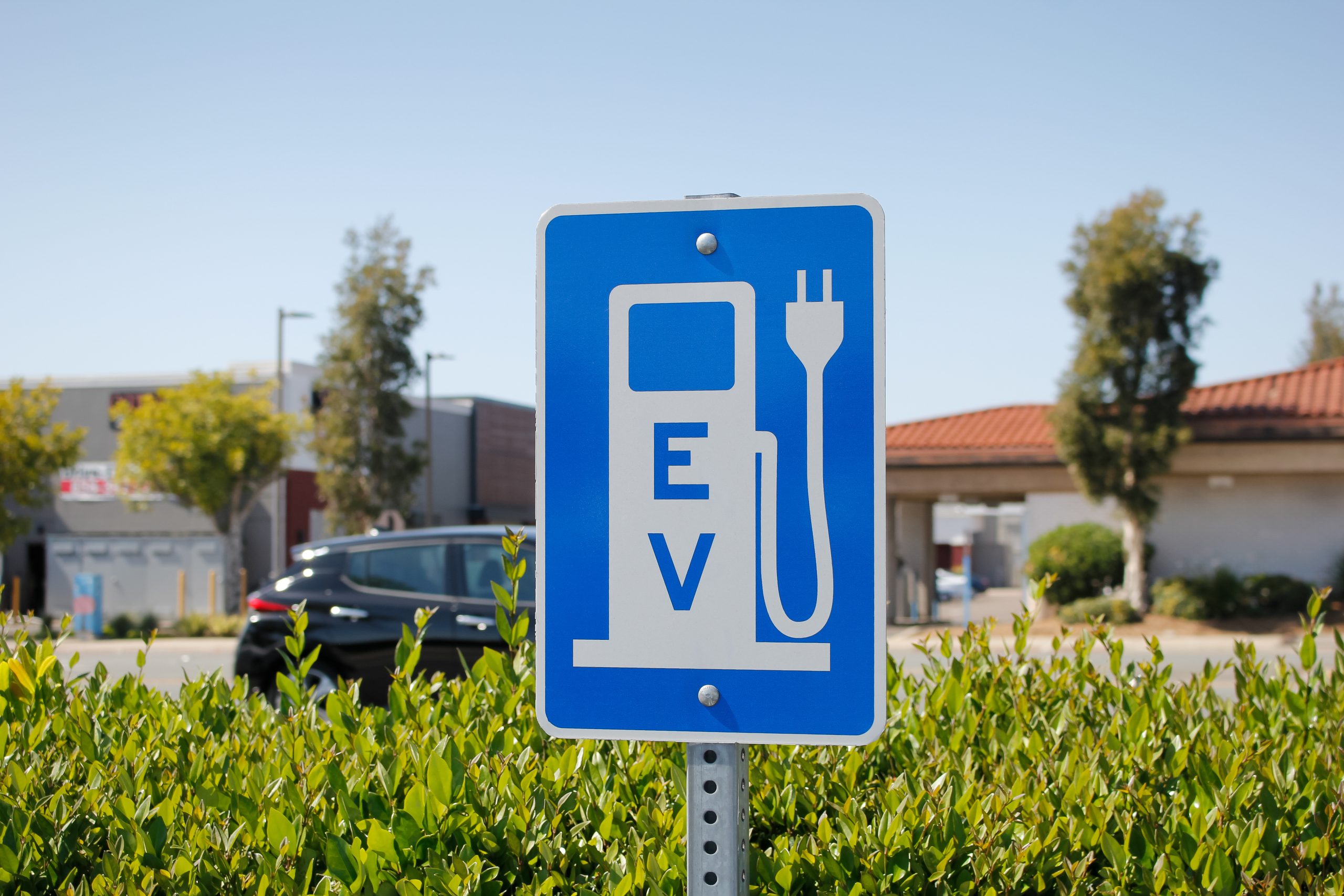
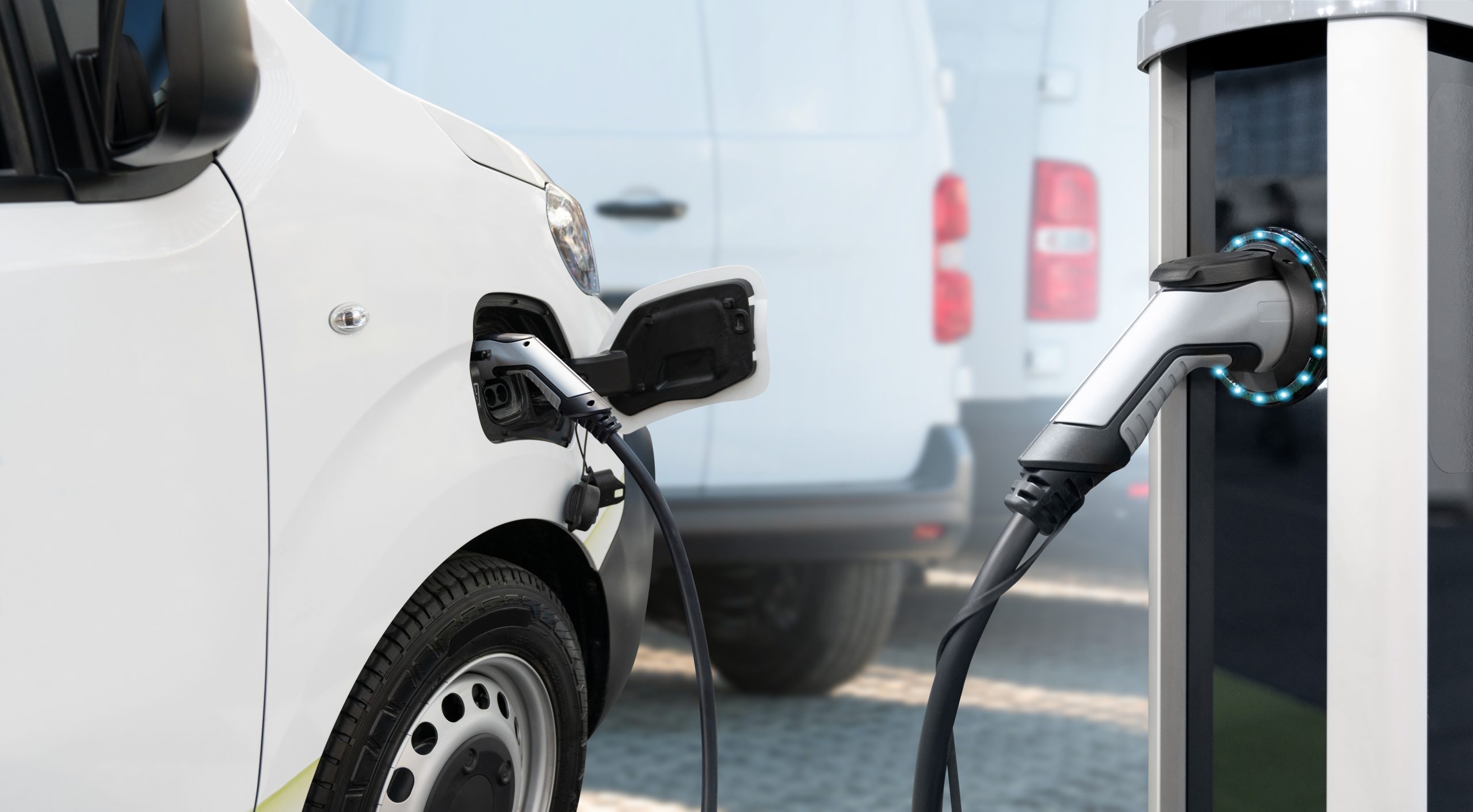
On March 27, 2025, the Illinois Commerce Commission approved ComEd and Ameren’s respective second Beneficial Electrification (BE) Plans, covering 2026-28. The Climate and Equitable Jobs Act (CEJA) requires that utilities develop and submit BE plans with the goal of promoting vehicle electrification, decreasing reliance on fossil fuels, reducing pollution from the transportation sector, increasing the adoption of electric vehicles in the State to 1,000,000 by 2030, and striving for Illinois to be the best state in the nation for driving and manufacturing electric vehicles. RHA worked diligently to ensure funding was approved, that electric school bus-to-grid programs were included, plug-in hybrid EV owners were eligible for charging assistance, and fleet assessment programs were improved. Please note that this page is highlighting key programs, not all funded programs.
ComEd (Approximately $168 million in total)
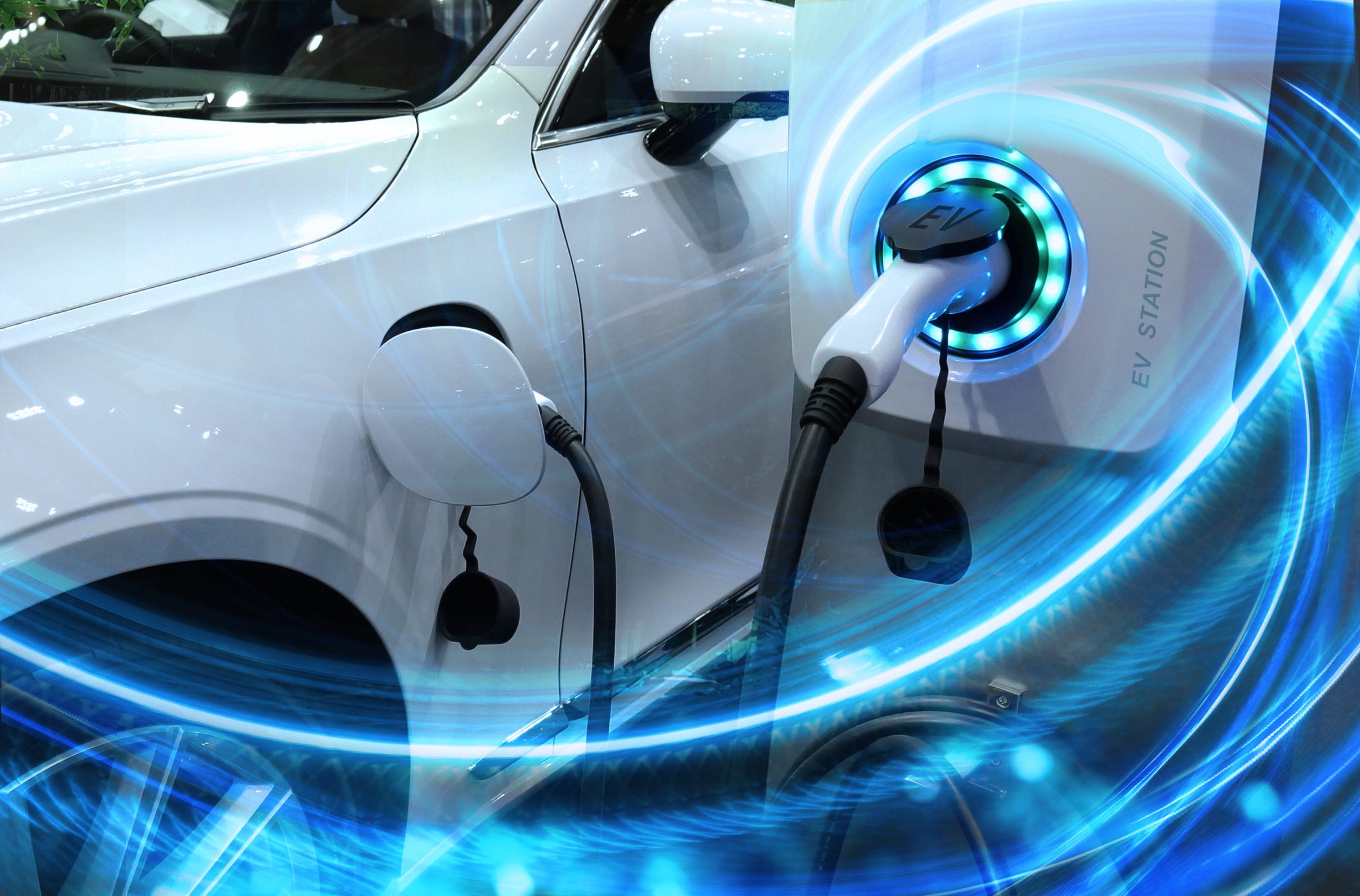
Residential EV Charger and Installation Program (Average $3.7 million per year. $11 million in total): Incentivizes the purchase and installation of residential EV charging infrastructure. ComEd customers may receive up to $2,500 in rebates per charging port.
R&D Program (Average $3.7 million per year. $11 million in total): ComEd’s BE Plan 2 two-phase R&D Program is a dedicated annual fund for pilot programs and demonstration projects. The R&D Program also includes a project to promote the electrification of school bus fleets and test how school bus fleets could provide power to the electric grid when needed.
C&I and Public Sector Program ($44.2 per year. Over $132 million in total): Promotes the electrification of fleet vehicles, including school and transit buses, and the installation of EV charging stations for commercial and industrial (C&I), and public sector entities through:
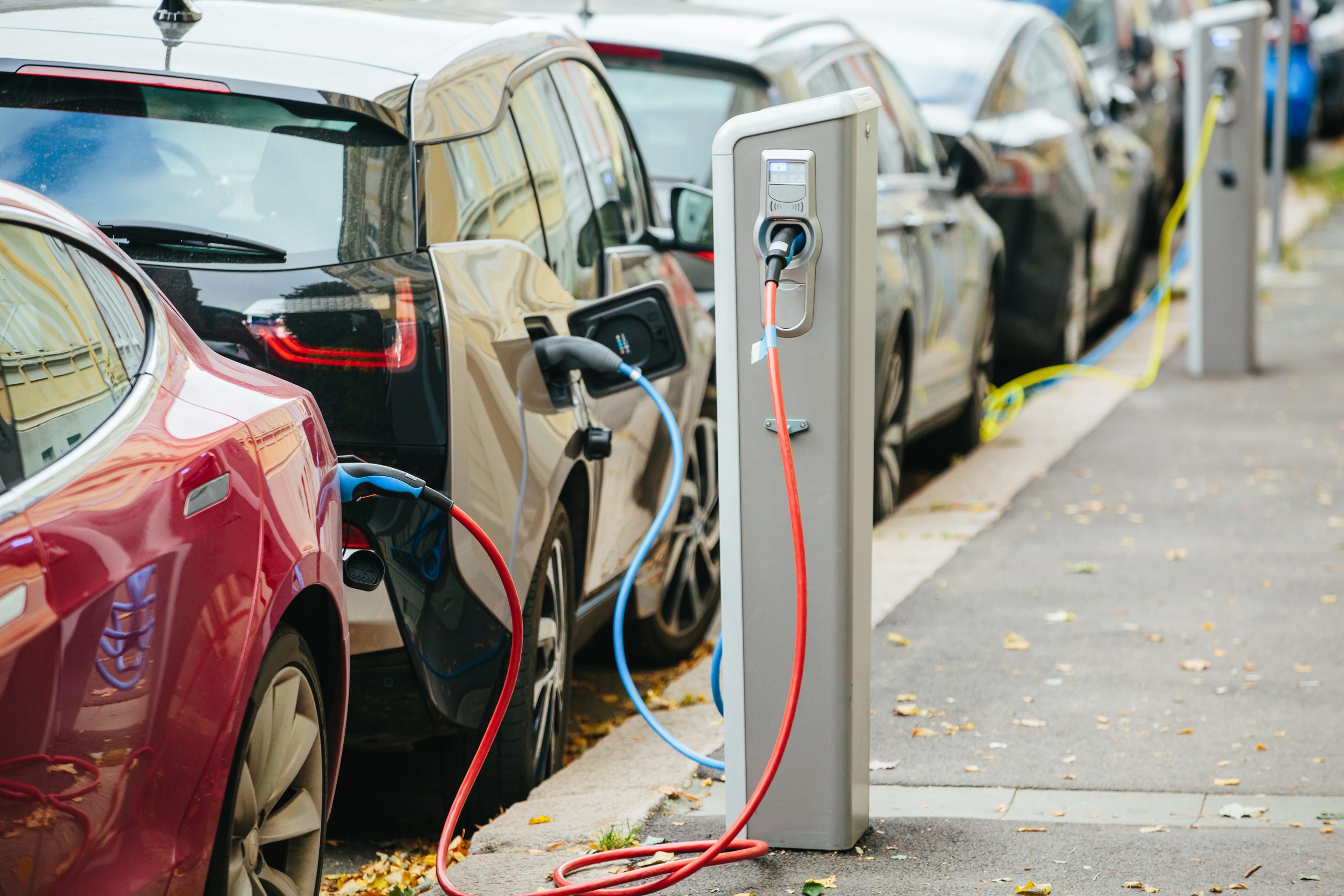
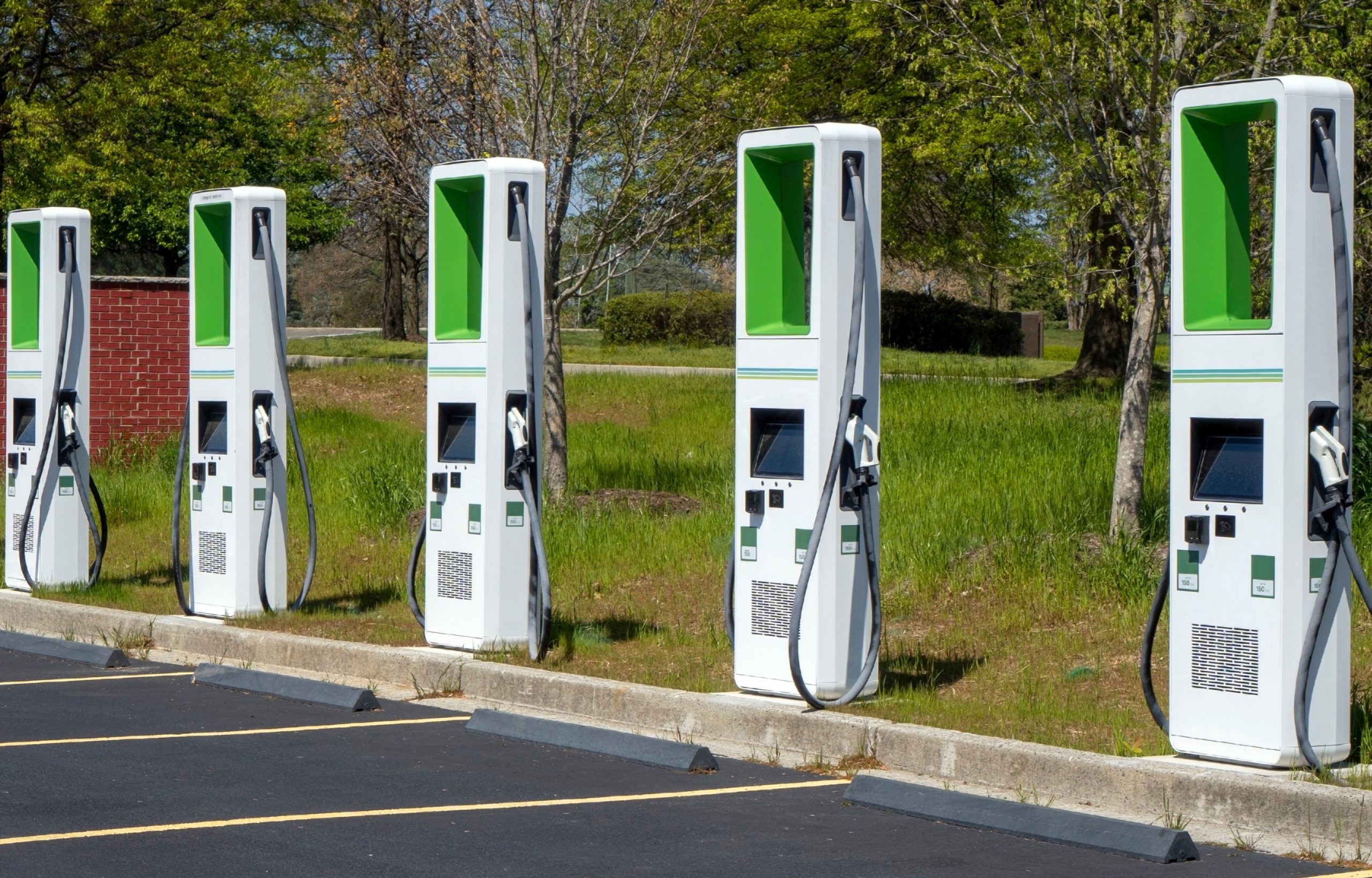
C&I and Public Sector EV Purchase Sub-program (Average $28.5 million per year. Over $85 million in total): Allocates, for C&I and public sector customer rebates for the purchase of electric fleet vehicles, including school and transit buses, that are registered in the state of Illinois:
- $5.5 million per year for school buses ($16.5 million total)
- $6.4 million per year for transit buses ($19.2 million total)
- $3.7 million per year for light duty fleet vehicles ($11.1 million total)
- $8.3 million per year for medium-duty fleet vehicle ($24.9 million total)
- $4.6 million per year for heavy-duty fleet vehicles ($13.8 million total)
C&I and Public Sector EV Make-Ready Sub-program (Average $15.6 million per year. Over $46 million in total): Provides incentives to cover make-ready costs, on either side of the ComEd meter, to enable the installation of electric vehicle charging stations for C&I and public sector entities installing public and private Level 2 and direct current fast charging (“DCFC”) charging facilities.
Customer Education and Awareness (“CE&A”) Program (Average $3.7 million per year. Over $11 million in total): There are three components to this Program, all of which serve to increase customers’ awareness of the benefits of clean energy, transportation electrification opportunities, and rebate programs: (1) Fleet Electrification Assessments; (2) marketing; and (3) various additional customer resources such as the Residential and fleet EV Toolkits and potential partnerships to support education, awareness, and readiness for transition to EVs.
Ameren (Approximately $86.7 million in total)
ChargeReady Program (Approximately $50.1 million over 3 years): Provides incentives for charging equipment and its installation. Residential customers, commercial and industrial customers, schools, and public, corridor, and transit facilities are all eligible to take service under the ChargeSmart Program. This Program also provides incentives for residential customers to cover the costs of charging equipment and installation for ChargeSmart subscribers in equity eligible areas that can cover 100 percent of installation and equipment costs.
ChargeSmart Program (Approximately $5.44 million over 3 years): The ChargeSmart Program is an optional EV rate that encourages charging at times better for the grid with bill credits and preferred period charging discounts. Residential customers, commercial and industrial customers, schools, and public, corridor, and transit facilities are all eligible to take service under this Program.
EV School Bus VPP Pilot ($1.9 million over 3 years): Supports school bus electrification and tests how it could provide power to the electric grid when needed.
Residential Managed Charging Program (Approximately $3.31 million over 3 years): Residential customers residing in single-family homes will receive upfront incentives and ongoing incentives based on their participation in this Program.
Fleet Assessment Program (Approximately $1.95 million over 3 years): Provides no-cost assessments designed to assist commercial customers with vehicle fleets, such as evaluating the feasibility of transitioning their current internal combustion engine fleet to electric. This Program will also provide support to small fleets to apply for grants, rebates, and low-cost financing, including both identifying funding opportunities for which a fleet is eligible, and providing technical assistance in completing the application for that funding.

Community Engagement and Consultation Program (Approximately $3.93 million over 3 years): Assists communities with developing transportation electrification plans. This Program strengthens the planning and implementation process via a network of consultants and lowers financial barriers to electrification by providing financial resources for qualifying communities.
Trade Ally and Customer Service Program (Approximately $3.84 million over 3 years): Provides support to many types of customers to promote positive experiences with electrification initiatives, enhance customer confidence in EV adoption, and improve access to financial support and electrification benefits for underserved communities.
HomeReady Program (Approximately $1.92 million over 3 years): Provides rebates to customers to supplement electric work needed to upgrade the home in preparation for whole home electrification
Portfolio Education Program (Approximately $1.16 million over 3 years): Ensures customers, especially in underserved communities, are aware of vehicle electrification opportunities, programs, and pilots.
EV-as-a-Service Pilot (Approximately $639,000 over 3 years). Provides concierge one-on-one support for new EV owners through pre-purchase advising, personalized text service, and home charger installation and utility programs and rates coordination to create a seamless adoption experience.