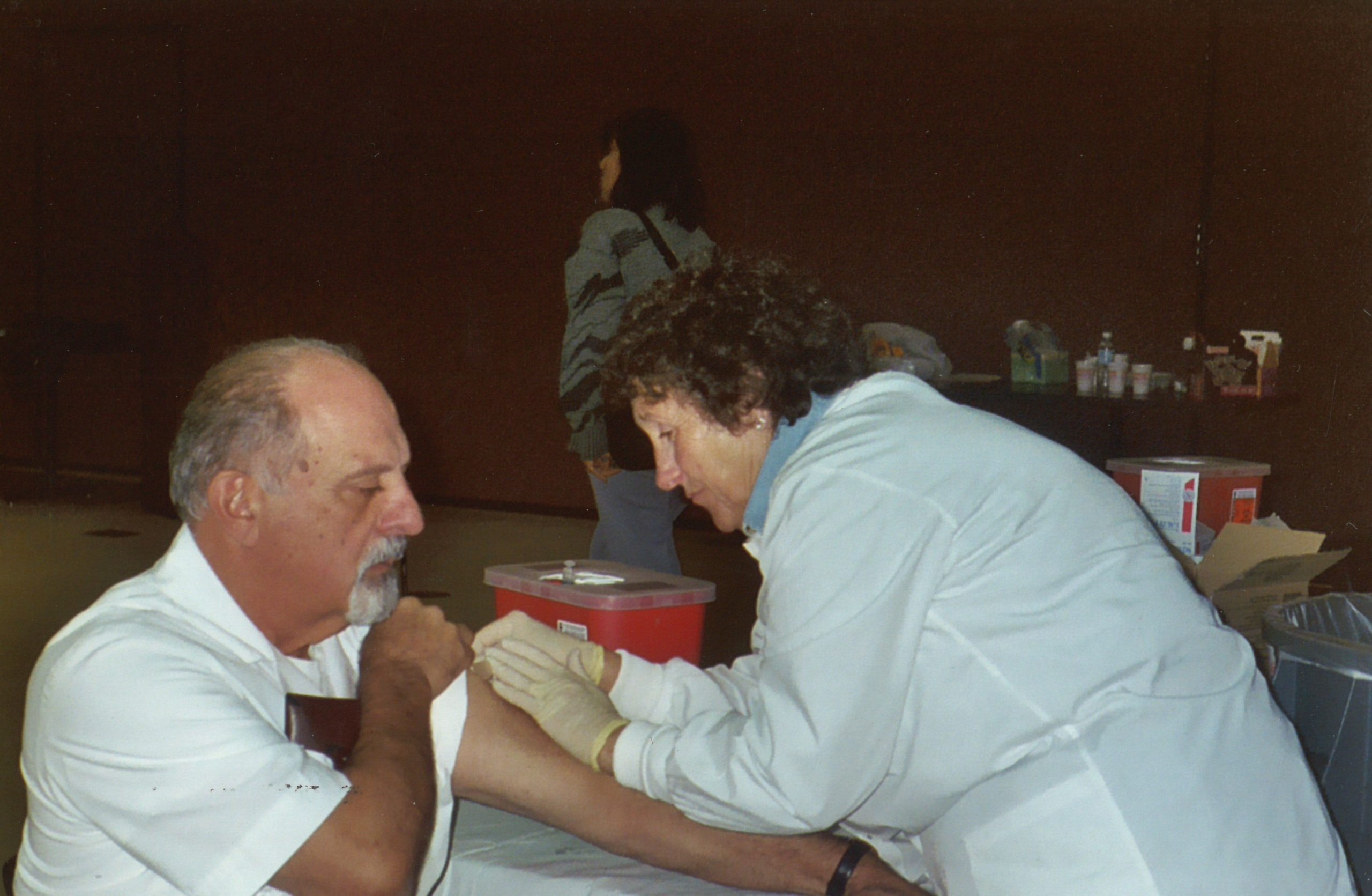
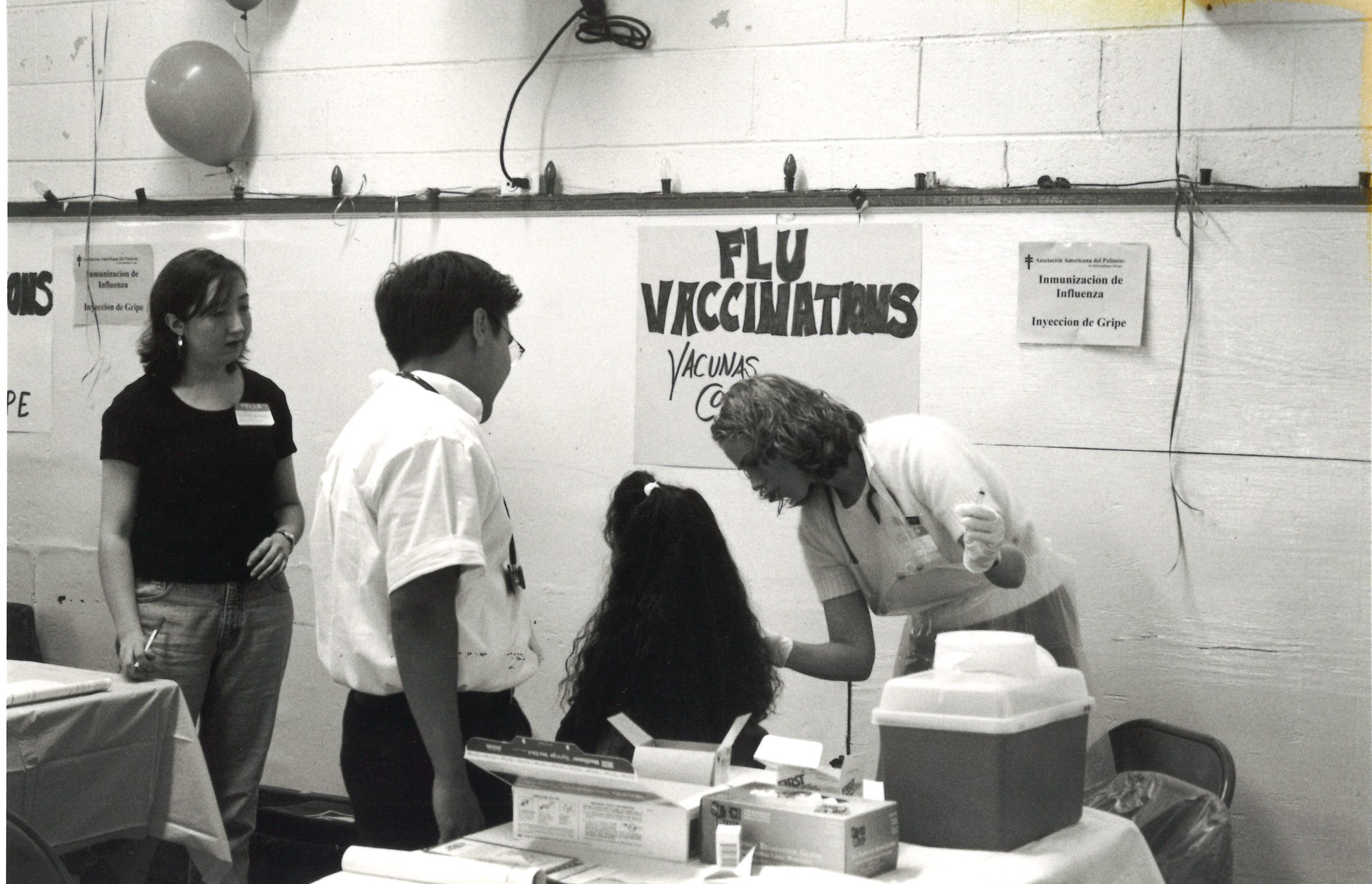
Now that schools have returned to session, and the weather is getting cooler, naturally people think of cold and flu season and getting their seasonal vaccines. Today, flu shots are extremely easy for anyone to obtain – just walk into any pharmacy.
But there was a time when flu vaccines were not easy to come by. Dr. Anthony ‘Tony’ Marinelli remembers. 30 years ago, he helped make flu vaccines accessible to Cook County residents.
“As a pulmonologist, I was always interested in vaccines against respiratory diseases, including influenza. And, if you go back to World War I, more soldiers may have died from the flu than died in battle,” Dr. Marinelli said. “It was known that if you had herd immunity, if a lot of individuals got vaccines, then you’d have less disease going through the population, and less people would get sick.”
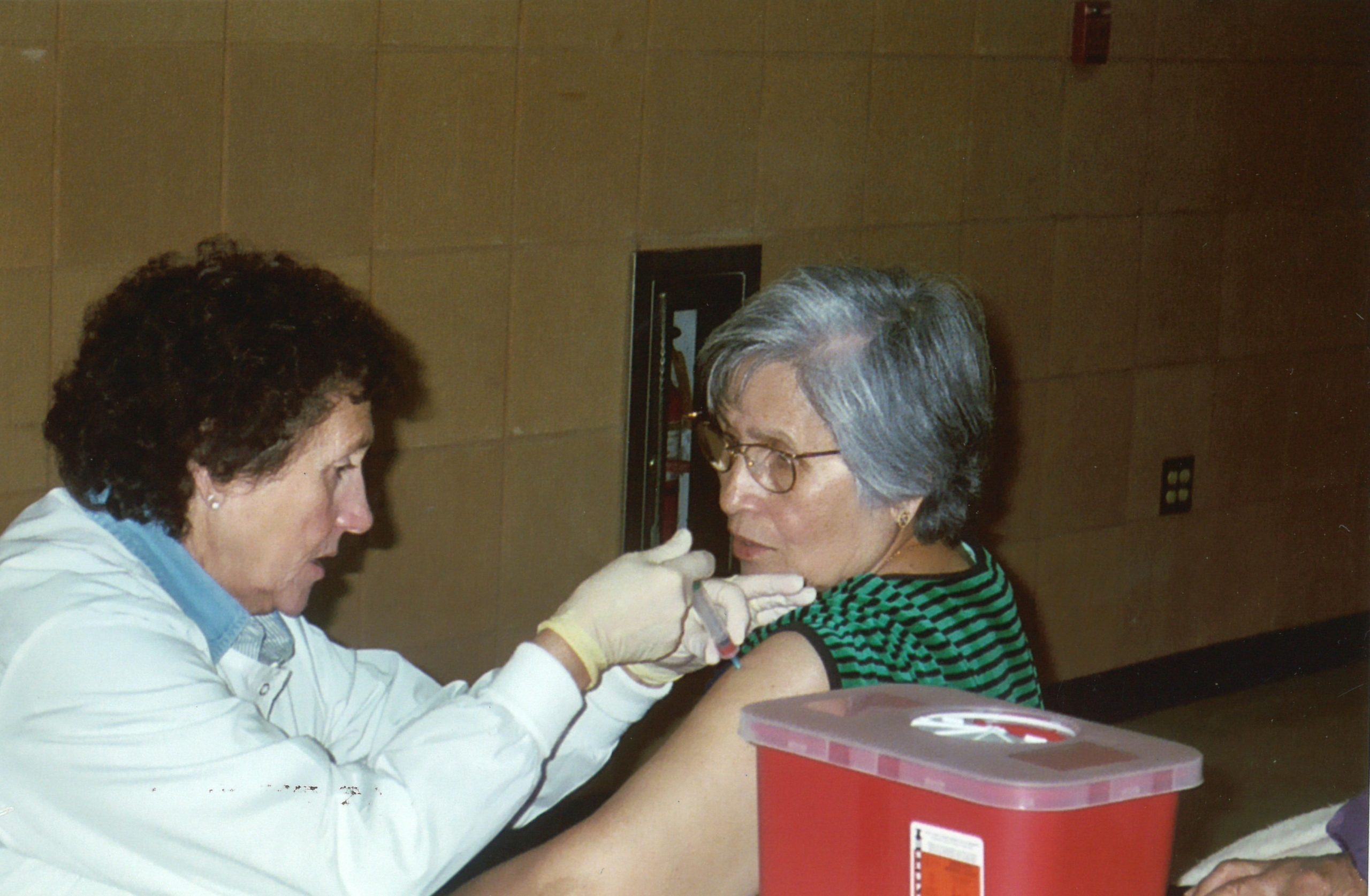
Administrating the flu vaccine became Dr. Marinelli’s passion. He was the medical director and advisor behind RHA’s flu shot program for over 15 years.
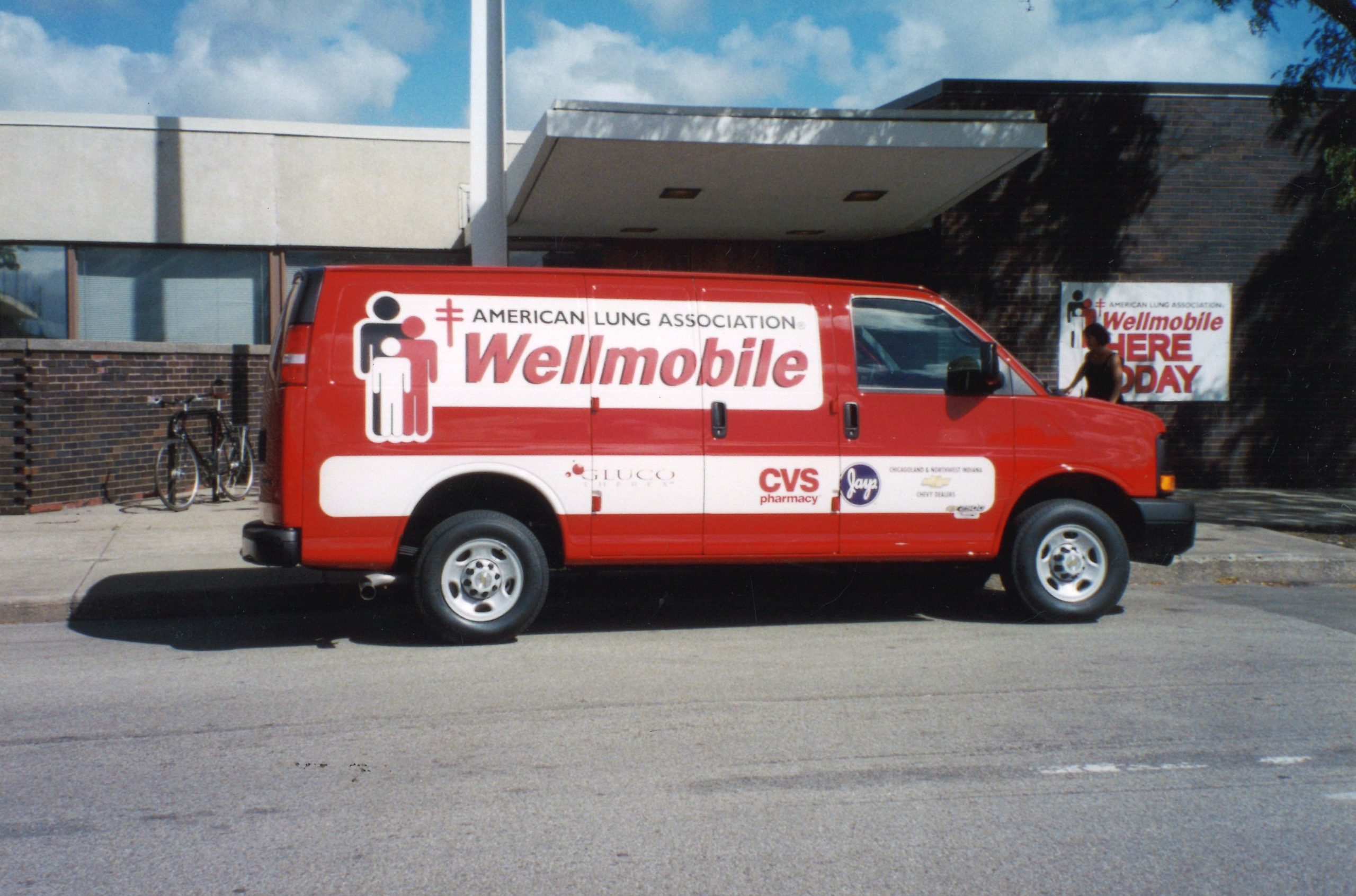
Working hours outside his regular practice, Dr. Marinelli, along two back-up colleagues, a “wonderful set of volunteer nurses,” and the Respiratory Health Association (RHA), the team set out to vaccinate as many Chicagoans as they could.
This was back in 1997. Registered nurses went into workplaces and later expanded by partnering with the Chicago Board of Health to administer vaccines in health clinics. In those early years, they likely vaccinated as many as 30,000 Chicagoans a year including hosting 150 health clinics.
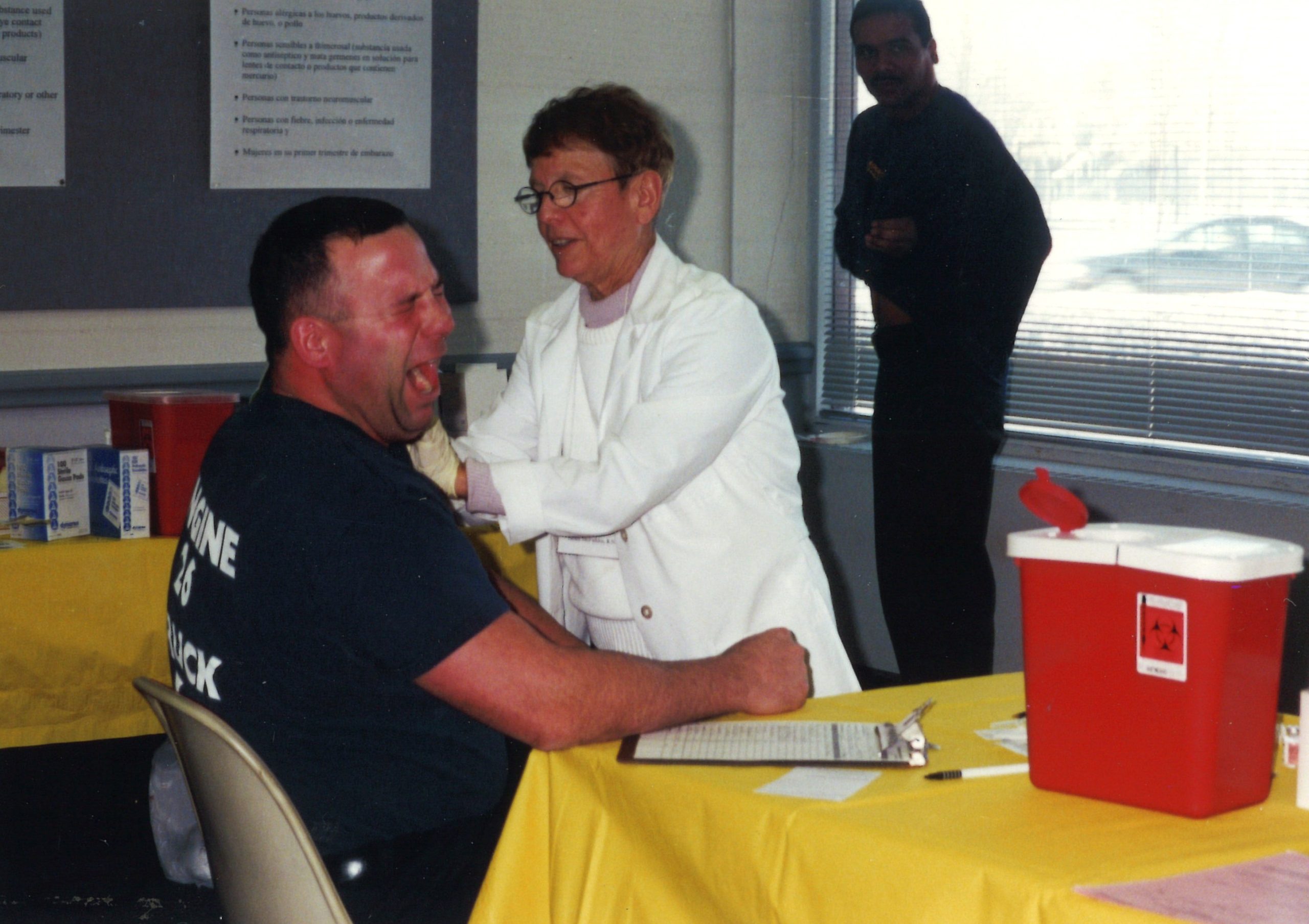
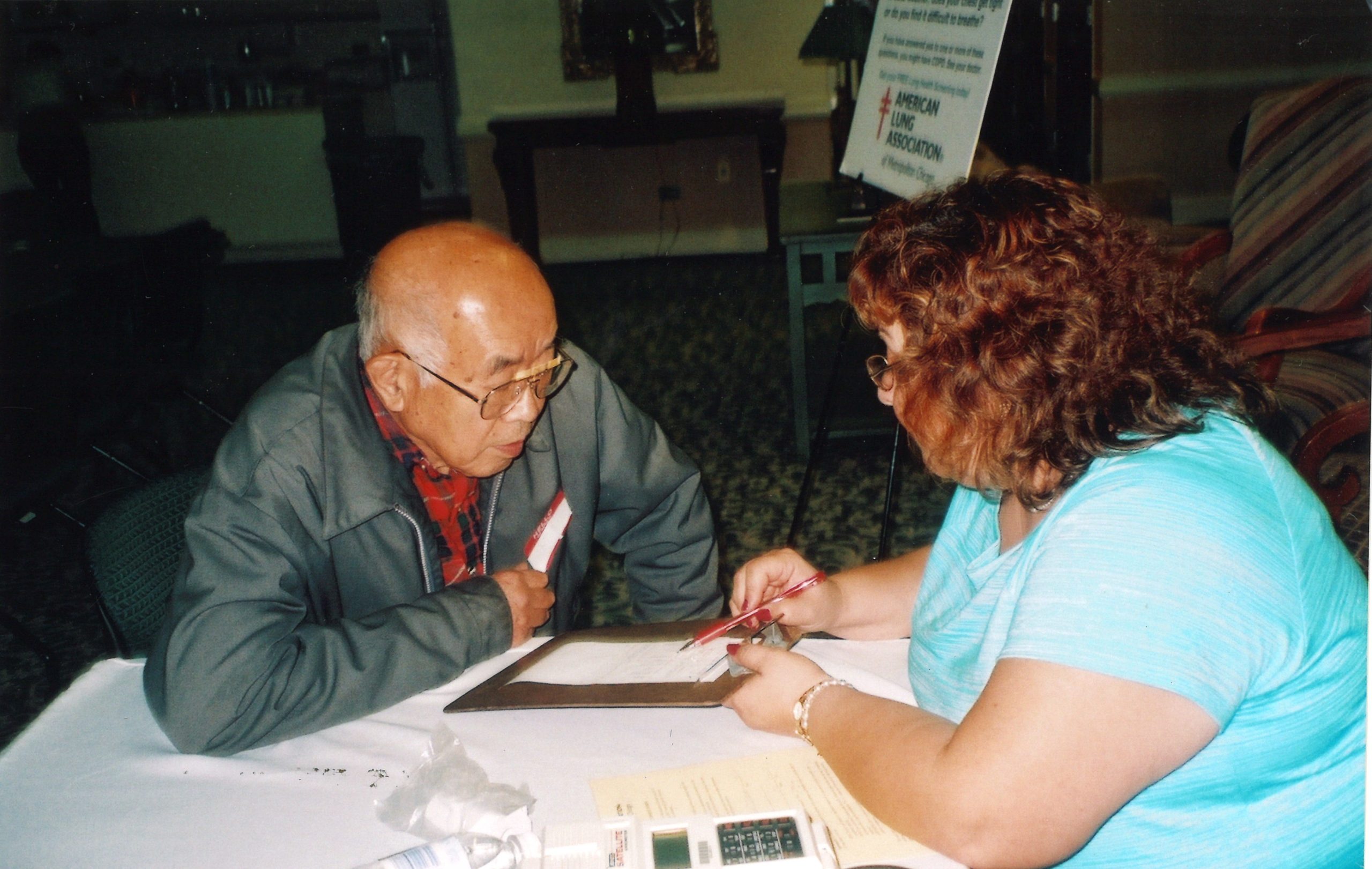
But there was a problem. Nurses could not administer medicine without a standing order from a physician.
At the time, pharmacists and advanced practice nurses did not have prescribing privileges so could not independently prescribe or administer vaccine. Hospitals/organizations have a specific written/approved protocol for administering vaccines and (somewhere along the line) have a physician to sign it.
The physician leaders of local health departments historically had been reluctant to issue standing orders for large vaccine programs for fear of being sued. Special protections from lawsuits existed, however, from the federal government under the National Vaccine Injury Compensation Program for providers administrating vaccines as long as they follow protocols.
Dr. Marinelli decided he would sign the order.
Diana Hackbarth, a nurse and retired Loyola faculty member shared, “Dr. Marinelli was a hero to trust that the nurse volunteers administering vaccines would do so properly according to CDC and RHA guidelines. We also had student nurses administering vaccines at health fairs. They were supervised by Loyola faculty, but the orders were from Dr. Marinelli.”
The program also educated the public on how the flu vaccine is supposed to work.
In a September 1998 Chicago Sun-Times article, RHA Director Janet Williams is quoted saying, “We are trying to dispel the myth that the shot will give you the flu. And by giving shots with the Biojector 2000, a needleless device, we hope to attract people who are afraid of needles.”
Supply was limited at that time. Dr. Marinelli explained, “Flu vaccine was hard to get, but RHA was able to get it.” Years later, in 2010, when vaccine supplies were particularly difficult to come by, Dr. Marinelli went so far as to travel to Washington DC to visit then Illinois Senior Mark Kirk and successfully advocated to bring supply to Illinois.
During the 15 years of the flu shot program, volunteers administered over 100,000 flu shots.
By 2015, there was no longer a demand for the hands-on approach to providing vaccines, and the program stopped. It had been winding down those last few years as insurance companies and Medicare started covering the cost of the flu vaccine in their insurance plans.
“All those things helped us, but around 2010, some of the big box pharmacies, discovered that hey, we can actually cover our costs and maybe make a few dollars,” Dr. Marinelli recalled. With that, flu shots became a core service for retail pharmacists.
As years went by, and the convenience of the local pharmacists, it became easy to get a flu shot. Dr. Marinelli said, “they were getting the business, and RHA was having a tougher time to go into places.” Dr. Marinelli went on “we could not compete on a financial basis with that environment and so we moved on to other programs.”
Thankfully, today most Americans have access to vaccines without financial worries and conveniently at a nearby pharmacy. Illinois law now allows pharmacists who are properly trained to administer certain vaccine to children over age 7 and adults. Now advanced practice nurses can give vaccines on their own.
For the 2024-2025 flu season 43% of U.S. adult 18 and over received the flu vaccine.
With flu season around the corner, Dr. Marinelli reminds us all to get our flu shot. In fact, it is a family Thanksgiving Day tradition for the Marinelli’s that before dessert, everyone must get their flu shot!
Dr. Marinelli served on RHA’s Board of Directors from 1995-2026. He retired from the Board this year, and RHA is grateful for his endless contributions and his advocacy for respiratory health.