It’s hard to imagine there was a time when nearly 40% of the US population smoked cigarettes. Or, that smoking was accepted and allowed on airplanes, in restaurants, in the workplace, and most public places.
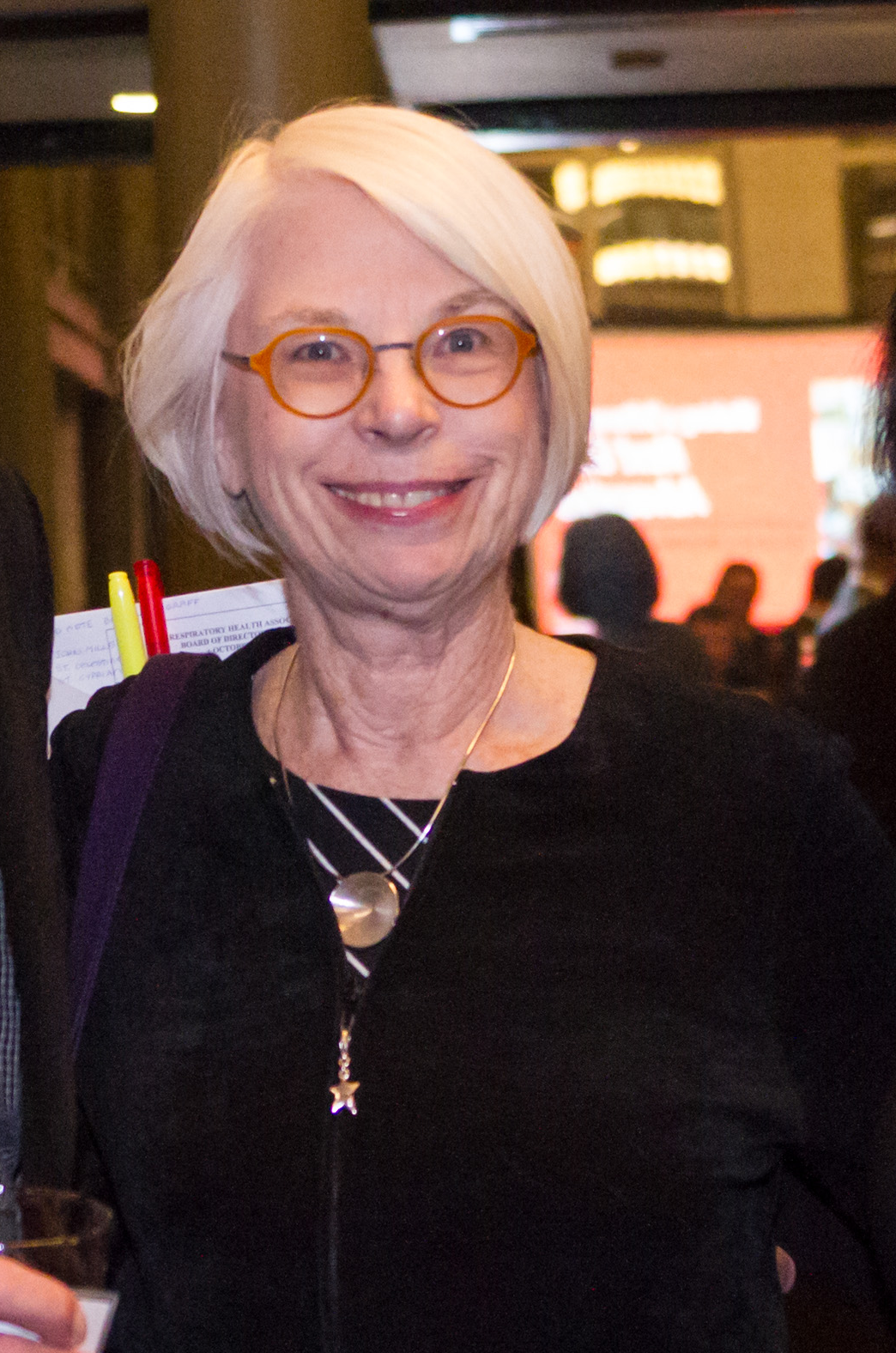
Diana Hackbarth remembers. She was on the front lines fighting for clean air, first in her hometown of Wilmette, then Chicago, and finally Illinois.
Diana is a registered nurse. In the late 1970s she was on the faculty at Loyola Chicago and working on her PhD in Public Health with the University of Illinois Chicago. One of Diana’s first projects was developing anti-tobacco campaigns. This is how she became connected with Respiratory Health Association (RHA).
Diana shared many stories about RHA’s decades-long anti-tobacco campaign. But the “Freedom from Smoking” program is a special one.
The Freedom from Smoking cessation program, Diana recalls, “was a very innovative program for its time.” It was an era where tobacco usage wasn’t recognized as an addiction. “Everyone thought it was a moral failing, and they told people well, you should just quit, and if you don’t quit, you don’t have any will power.”
According to a 2014 article in the American Journal of Public Health, the idea that regular tobacco smoking was difficult to give up was not new in the late 20th century. However, it was not until 1988 that the US Surgeon General publicly changed position by devoting an entire report to “nicotine addiction,” basing its definition on criteria from the American Psychiatric Association, the National Institute for Drug Abuse, and the 1964 World Health Organization revision. Yet, for almost another 10 years, the US tobacco companies maintained a united position that tobacco was not addictive, until they said otherwise in 1997.
Diana described Freedom from Smoking as an evidence-based, step-by-step behavioral program. It was designed to wean someone off tobacco through behavioral changes.
“The really innovative thing was that RHA began training people, so we had a big train-the-trainer program involving nurses, respiratory therapists, and others,” she said. She went on to clarify that RHA took the cessation program further than other lung associations with the train-the-trainer program, as it allowed more people to go through the program quickly.
Back then, local units of the American Lung Association sponsored a variety of cessation clinics. The American Lung Association provided clinic guidelines to local units, of which Respiratory Health Association (RHA) was originally a part of, before it became an independent organization. As Diana explains, individual chapters were able to design their own programs. While the program has been modified over the years, it is still being used by RHA today.
Diana emphasizes that this program was a game changer.
It “recognized that quitting smoking was more of a process than a one-time event.” As part of her PhD dissertation, she learned, “people don’t just quit smoking once. They quit smoking many times and finally after three or four or eight attempts, they quit.”
According to a 2016 article in the British Medical Journal (BMJ), the estimated average number of quit attempts expected before quitting successfully ranged from 6.1 under the assumptions consistent with prior research, 19.6 using a constant rate approach, 29.6 using the method with the expected lowest bias, to 142 using an approach including previous recall history.
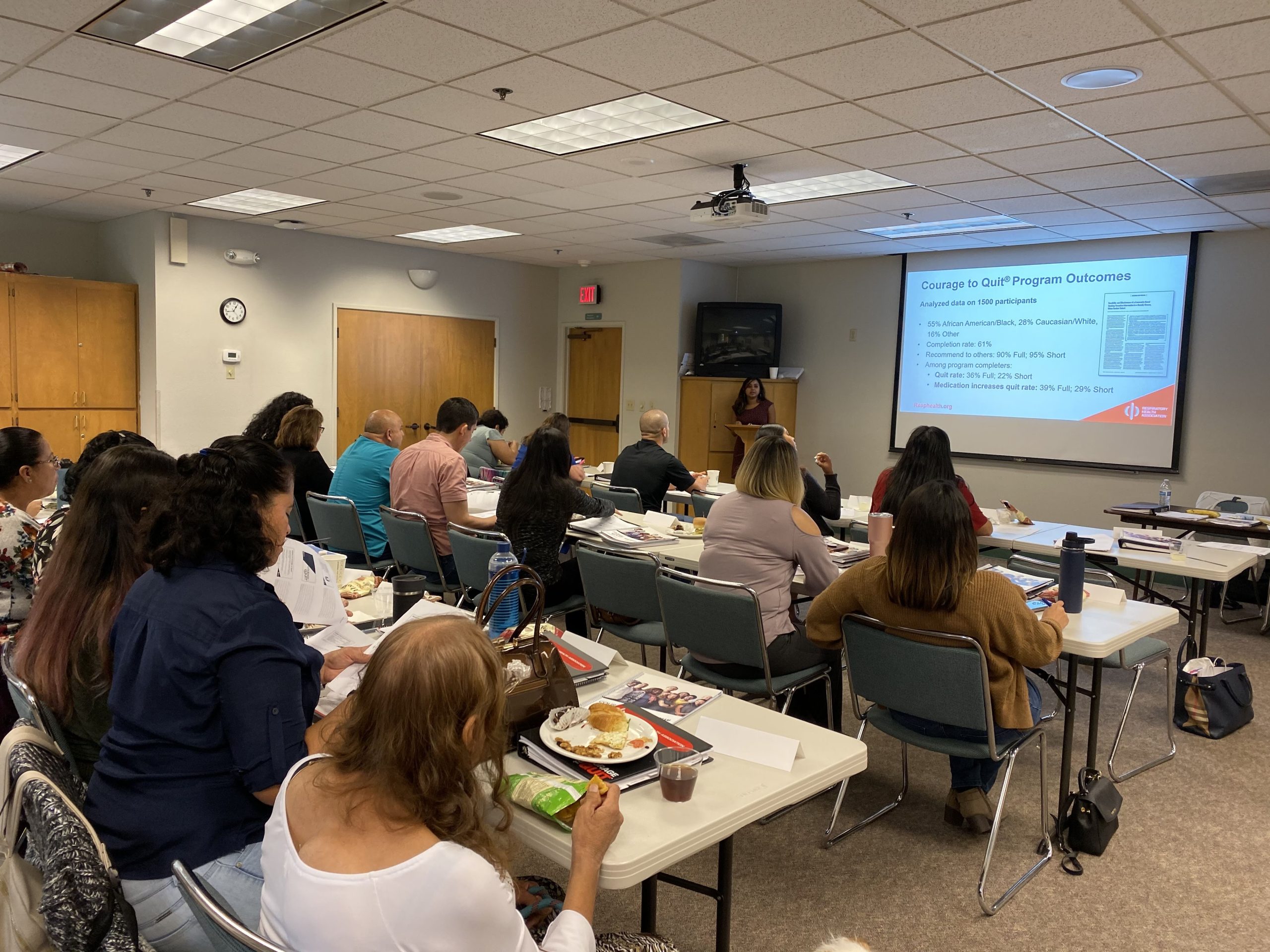
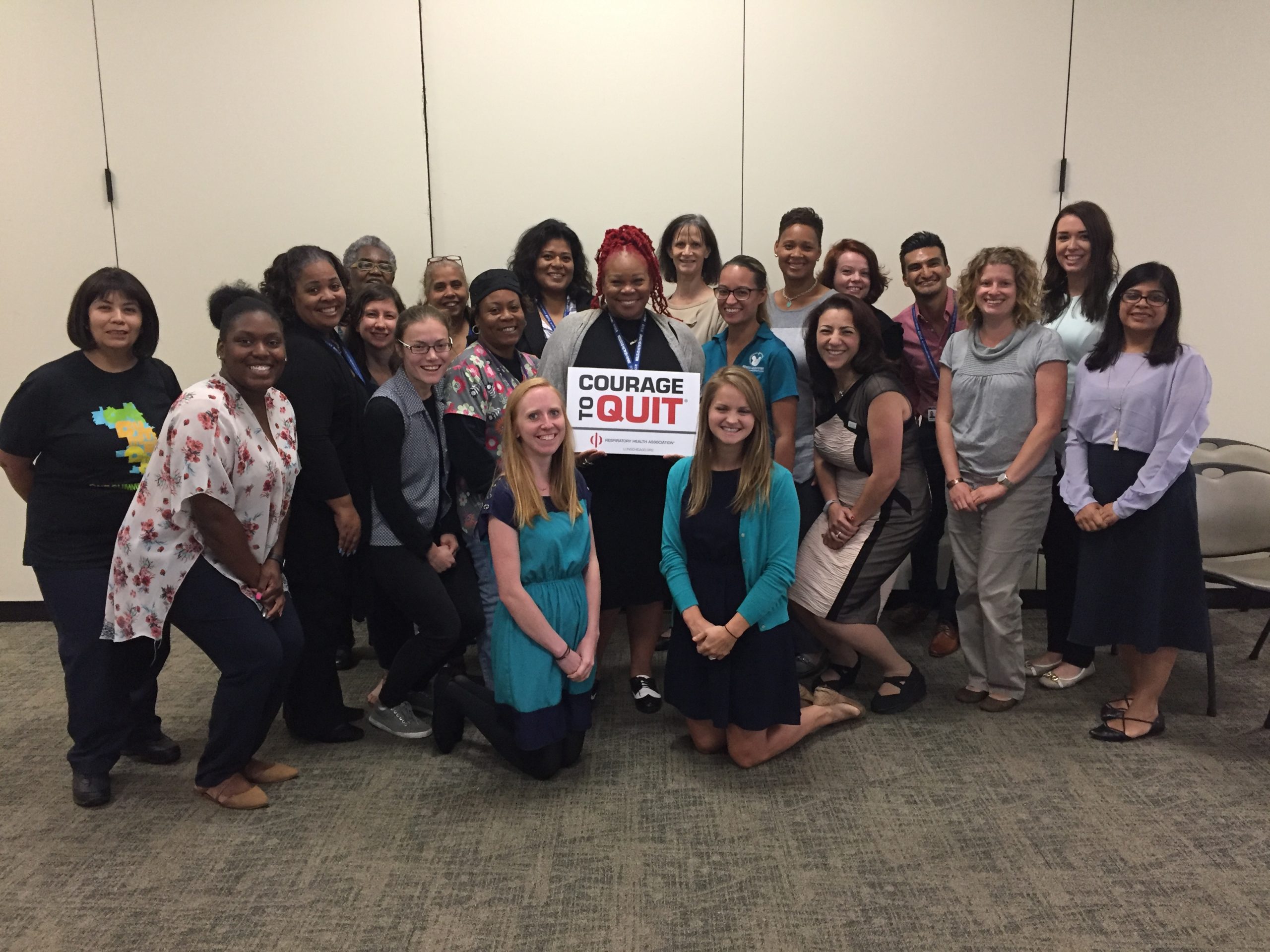
Today, RHA runs training programs each year through their iconic Courage to Quit® program. Trained and certified Courage to Quit® leaders work collaboratively with the individual to build on past attempts, create confidence, and develop their skills and readiness. After completing the program, participants report higher-than-average cigarette use reduction, quit attempt, and quit rates.
Diana has since become one of the RHA Board of Director’s long-standing members.