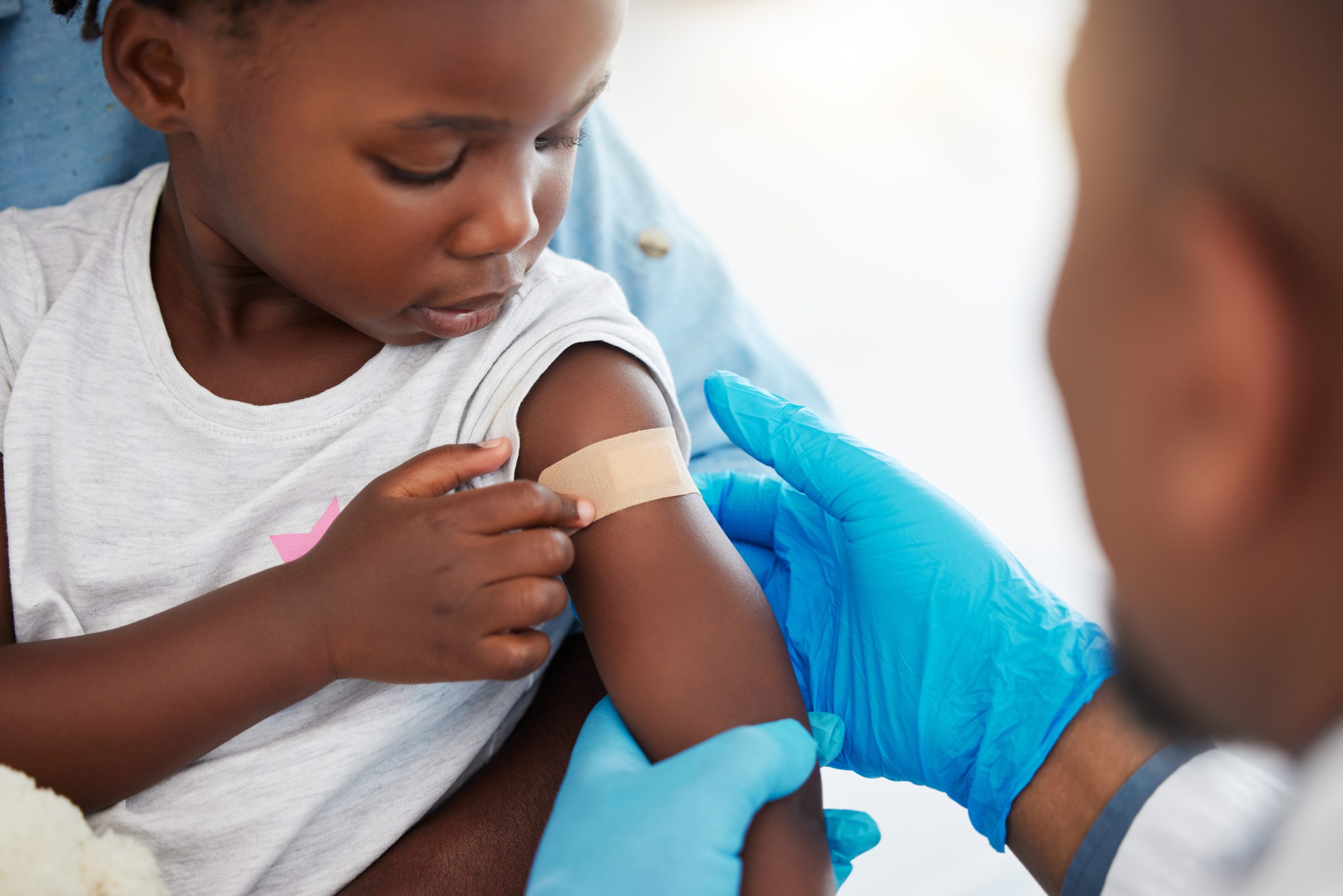
Yesterday, the federal childhood vaccination schedule was revised per an Executive Order stating the MMR vaccine should be split into three shots. It also limits the RSV, hepatitis A, hepatitis B, meningococcal B, meningococcal ACWY and dengue vaccines to high-risk populations.
In addition, child vaccines for influenza and COVID-19 are not recommended. Both viruses cause more acute illness in babies and young children, especially those with asthma.
This decision was not based on new scientific evidence or peer review, nor was it open for public comment.
This change has broad implications. For families looking to vaccinate their children, vaccines without a universal recommendation may become more difficult to access and may cost more. For schools and communities, lower overall vaccination rates can lead to more disease spread and lost school days.
When children with asthma become ill, their symptoms are more severe, and they take longer to recover. These children miss more days of school and fall behind in their education.
“With measles cases at their highest level in decades, it is important that families have clear, accurate information about how to protect themselves and their children,” said Rachael Morkunas, RHA Director of Programs and Policy. “We know the MMR vaccine is safe, effective and our best protection against measles. RHA wholeheartedly supports the recommendations of the Illinois Department of Public Health and the American Academy of Pediatrics, which continue to follow the science and put the health of our communities first.”